

Registered Nurse | Healthcare Experience Since 2009
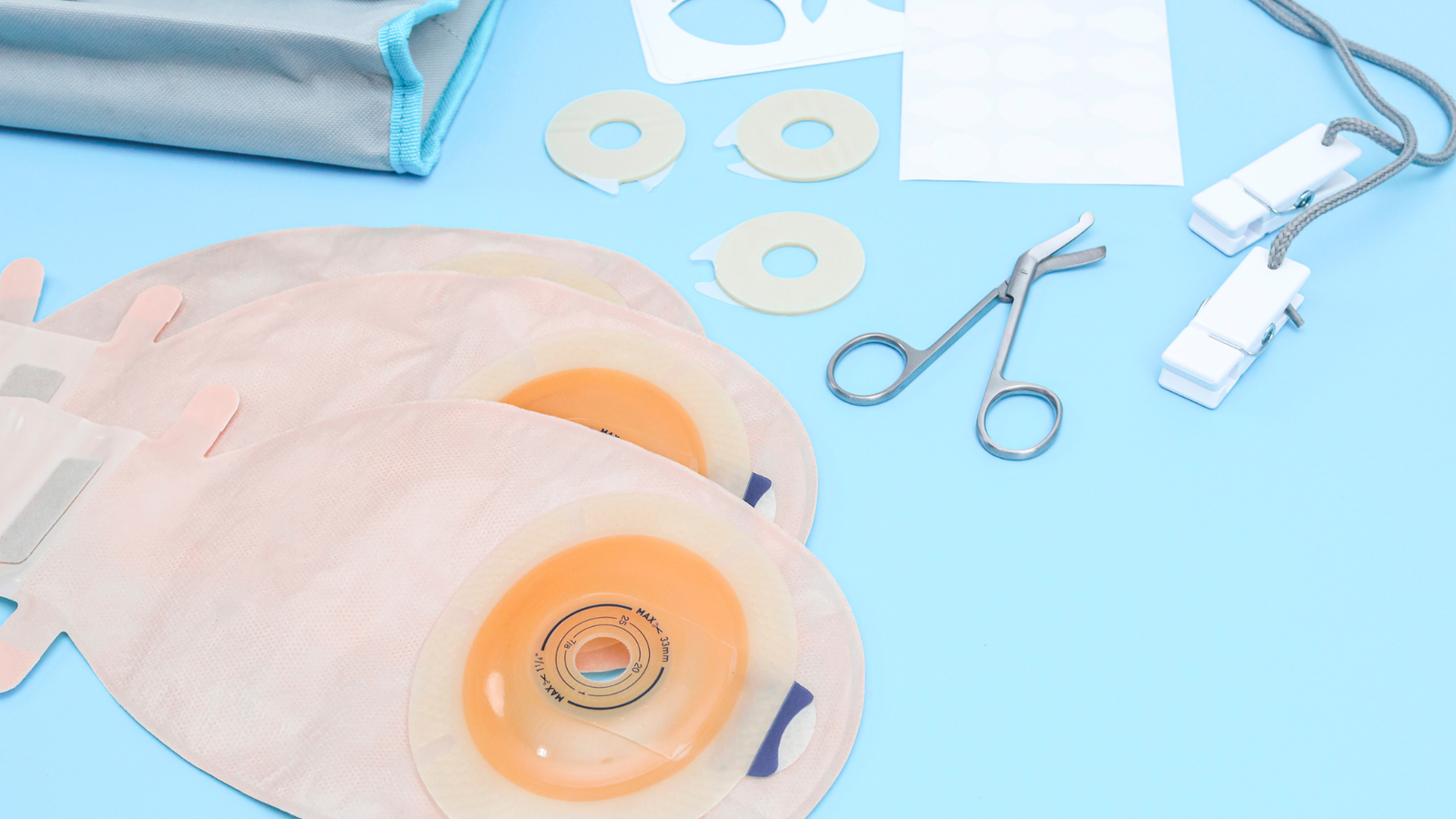
Leaving the house with someone who has an ostomy can feel like a big step, especially in the first months after surgery. A doctor’s appointment, a family dinner or a weekend away all bring the same quiet worry: what if the pouch leaks while we are out?
A well-packed go-bag does not prevent every problem, but it turns a potential emergency into a five-minute change in a restroom. It also gives your loved one something just as important: the confidence to say yes to going out. Here is how to put one together and keep it ready.
Table of Contents
Start With the Basics: A Complete Change Kit
The core of the go-bag is everything needed for at least one full pouch change, ideally two. Pack each change in its own zip-top bag, so you can grab one and go.
- Pouches and skin barriers (or one-piece pouches), already cut to size if your loved one uses cut-to-fit barriers. Cutting in a cramped restroom is hard.
- Any accessories they use every day, such as barrier rings, stoma powder, skin barrier wipes or a medical adhesive remover.
- Soft dry wipes or gauze for cleaning and drying the skin. Avoid baby wipes that contain lotion or oils, which can stop the barrier from sticking.
- A small pair of curved scissors, if needed for trimming (pack them in checked luggage when flying, or check current TSA rules).
- Disposal bags for the used pouch, plus a couple of spare plastic bags.
- The measuring guide, in case the stoma size has changed.
Use exactly the same products your loved one uses at home. A trip is not the time to try something new.
Comfort and Dignity Extras
- A change of underwear and a spare shirt or pants. If a leak happens, clean clothes matter as much as a new pouch.
- Hand sanitizer and a small pack of tissues.
- Pouch deodorant or an odor-neutralizing spray if your loved one uses one.
- A small mirror, helpful for stomas that are hard to see.
- A dark, compact towel or a disposable pad to protect the car seat, a chair or a bed.
Paperwork and Contacts
Keep a small folder or a note on your phone with:
- the exact names, sizes and order numbers of all supplies;
- the supplier’s phone number;
- the name and number of the WOC nurse or ostomy clinic;
- a short list of medications and allergies;
- for air travel, a travel communication card. The United Ostomy Associations of America (UOAA) offers a printable card that explains the ostomy to security staff discreetly.
Adjusting the Bag for Different Trips
Medical appointments. Appointments often run long, and some tests involve lying down or changing position. Bring one full change kit, the supply list and any questions for the care team.
Day outings. One or two change kits, spare clothes and water are usually enough. Before you go, look up where the restrooms are. Many people with an ostomy carry a restroom access card, which explains the medical need politely in shops and restaurants.
Overnight and longer trips. Plan for about twice as many supplies as you expect to use. Climate, food and activity can all change how long a barrier lasts. When flying, keep all ostomy supplies in your carry-on, never only in checked luggage. Lost luggage should never mean running out of pouches.
Hot weather. Barriers can wear faster in heat and humidity. Store supplies away from direct sun and out of a hot car, and expect to change more often.
Food and Drink on the Road
Bring water and encourage your loved one to keep drinking, especially if they have an ileostomy, which carries a higher risk of dehydration. Familiar foods and regular meal times help keep output predictable. New or very rich foods can wait until you are back home.
Keep the Bag Ready
The best go-bag is the one that is already packed. A few habits help:
- Restock it right after you use it, before you put it away.
- Check it once a month. Replace anything past its date or damaged by heat.
- Rotate supplies, using the go-bag stock at home from time to time, so nothing sits for months.
- Keep it in the same place, such as by the front door or in the car (in mild weather only).
Let Your Loved One Lead
As your loved one gets more confident, they may want to carry and manage their own kit. That is a good sign. You can still help by offering to carry a spare, checking the supply list before trips, and staying calm if a change is needed while out. A quiet “I’ve got the bag, take your time” can mean a lot.
If leaks are happening often when you are out, talk to the WOC nurse. Frequent leaks usually mean the fit or the products need adjusting, and that is something a nurse can help with.
For more ideas before a longer trip, see Safe n Simple’s guide to traveling with an ostomy.
This article is for general information and is not a substitute for advice from a doctor or ostomy nurse.